%2Ffit-in%2F250x250%2Fguide_websites%2F1020%2Fimages%2Funreelchartersga.png&w=1920&q=100)
/users/2c37fb7f-56ac-4f68-8ccf-0d1d2aa6bbe5/ratecard/289692200_3124226527828268_7126409311128773665_n1.jpg)
%2F300x300%2Fusers%2F2c37fb7f-56ac-4f68-8ccf-0d1d2aa6bbe5%2Fratecard%2F289692200_3124226527828268_7126409311128773665_n1.jpg&w=256&q=75)
%2F300x300%2Fusers%2F2c37fb7f-56ac-4f68-8ccf-0d1d2aa6bbe5%2Fimages%2Fbrunswick-fishing-adventures-2575.jpg&w=256&q=75)
%2F300x300%2Fusers%2F2c37fb7f-56ac-4f68-8ccf-0d1d2aa6bbe5%2Fimages%2Fanglers-reel-in-impressive-redfish-2684.jpg&w=256&q=75)
%2F300x300%2Fusers%2F2c37fb7f-56ac-4f68-8ccf-0d1d2aa6bbe5%2Fimages%2Fblue-runner-fish-brunswick-2731.jpg&w=256&q=75)
%2F300x300%2Fusers%2F2c37fb7f-56ac-4f68-8ccf-0d1d2aa6bbe5%2Fimages%2Ffishing-triumph-brunswick-2682.jpg&w=256&q=75)
%2F300x300%2Fusers%2F2c37fb7f-56ac-4f68-8ccf-0d1d2aa6bbe5%2Fimages%2Fredfish-catch-georgia-2704.jpg&w=256&q=75)
%2F300x300%2Fusers%2F2c37fb7f-56ac-4f68-8ccf-0d1d2aa6bbe5%2Fimages%2Fredfish-brunswick-georgia-2682.jpg&w=256&q=75)
%2F300x300%2Fusers%2F2c37fb7f-56ac-4f68-8ccf-0d1d2aa6bbe5%2Fimages%2Fredfish-georgia-angler-2633.jpg&w=256&q=75)
%2F300x300%2Fusers%2F2c37fb7f-56ac-4f68-8ccf-0d1d2aa6bbe5%2Fimages%2Ftripletail-catch-georgia-2759.jpg&w=256&q=75)
%2F300x300%2Fusers%2F2c37fb7f-56ac-4f68-8ccf-0d1d2aa6bbe5%2Fimages%2Fanglers-great-fishing-trip-ga-2585.jpg&w=256&q=75)
%2F300x300%2Fusers%2F2c37fb7f-56ac-4f68-8ccf-0d1d2aa6bbe5%2Fimages%2Ffishing-adventure-brunswick-2589.jpg&w=256&q=75)
St. Simons Inshore Fishing: Unreel Charters GA

 St Simons Island
What you will be catching:
 Redfish
 Sea Trout
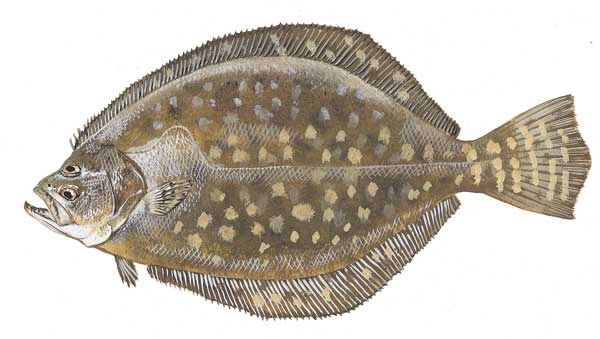 Southern Flounder
 Tarpon
 Tripletail
- Five-hour inshore charter targeting Redfish and Speckled Trout
- All gear and expert guidance provided for anglers of all levels
- Maximum two guests ensures personalized fishing instruction and attention
Trip Pricing and Availabilities:
Reel in the Big Ones: St. Simons Inshore Adventure
Get ready to chase some of Georgia's most sought-after inshore species on this half-day fishing trip with Unreel Charters GA. We're talking about a five-hour adventure that'll have you casting for redfish, speckled trout, and more in the rich waters around Saint Simons Island. Whether you're a seasoned angler or just getting your feet wet, Captain Drew Jones has got you covered with all the gear and know-how you need to land some impressive catches.
What to Expect on the Water
This isn't your average boat ride, folks. We're hitting the sweet spots where the fish are biting, and Captain Drew knows 'em like the back of his hand. You'll be using artificial bait to target the local favorites, which means more action and less waiting around. The trip is capped at two guests, so you're getting personalized attention and plenty of chances to reel 'em in. No need to lug your tackle box - we've got all the gear you need, from rods to lures. Just bring your game face and maybe a snack or two, 'cause we'll be out there for a solid five hours of non-stop fishing action.
Techniques That Land Lunkers
We're not just tossing lines and hoping for the best. Captain Drew's got tricks up his sleeve that'll have you fishing like a pro in no time. We're talking about mastering the art of working those artificial baits to entice the big ones. You'll learn how to read the water, spot the telltale signs of fish activity, and present your lure just right. We might be sight-casting to tailing redfish in the shallows or working the drop-offs for sea trout. And don't worry if you're new to this - Captain Drew's got the patience of a saint and the teaching skills to match. By the end of the day, you'll be slinging lures like you've been doing it for years.
Why Anglers Keep Coming Back
"Drew is a great guy and always gets us on the fish. Highly recommended. It's always a blast fishing with Unreel Charters." - Samuel "Great charter! I highly recommend Capt. Drew! He put us on the fish! Fantastic fishing guide service!" - Clint
Species You'll Want to Hook
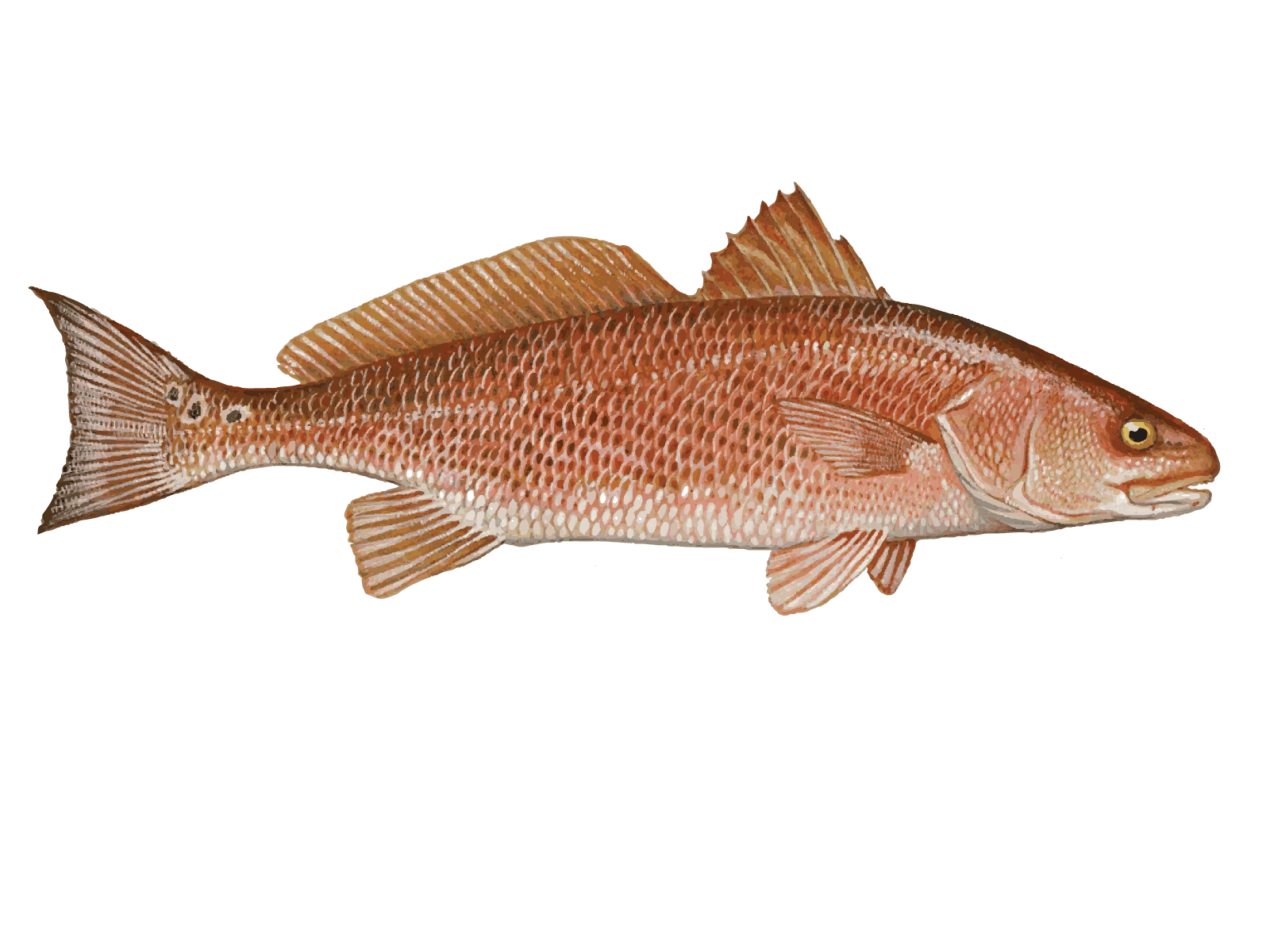
Redfish: These copper-colored beauties are the crown jewels of inshore fishing around Saint Simons. They've got a distinctive black spot on their tail, and they put up a fight that'll have your arms burning. Redfish love to cruise the shallows, especially during high tide. When you hook one, be ready for some drag-screaming runs. They're most active in the fall, but you can catch 'em year-round if you know where to look.
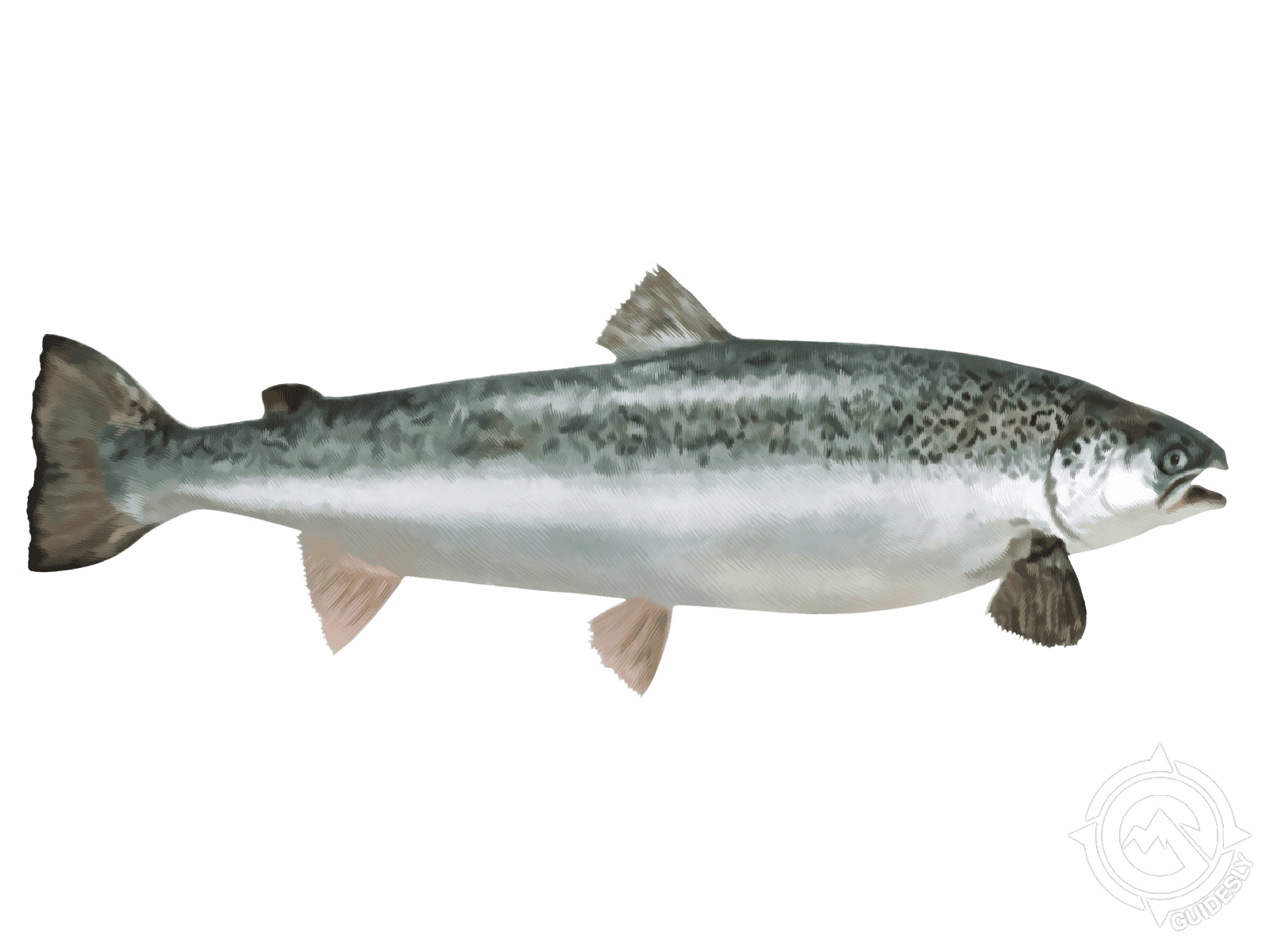
Speckled Sea Trout: Don't let the name fool you - these guys aren't trout at all, but they're every bit as fun to catch. Known for their speckled backs and canine-like teeth, sea trout are ambush predators that love to hang around structure. They're most active in the cooler months, and when you find one, you've usually found a bunch. The thrill of a topwater strike from a big speck is hard to beat.
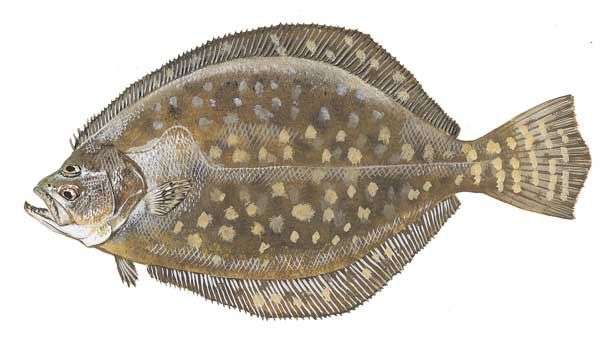
Southern Flounder: These flatfish are masters of camouflage, blending in perfectly with the sandy bottom. But Captain Drew's got an eye for spotting them. Flounder fishing requires finesse and patience, but when you hook one, it's like reeling in a dinner plate. They're most abundant in the fall as they move towards the ocean to spawn. The "doormat" sized ones are a true trophy.
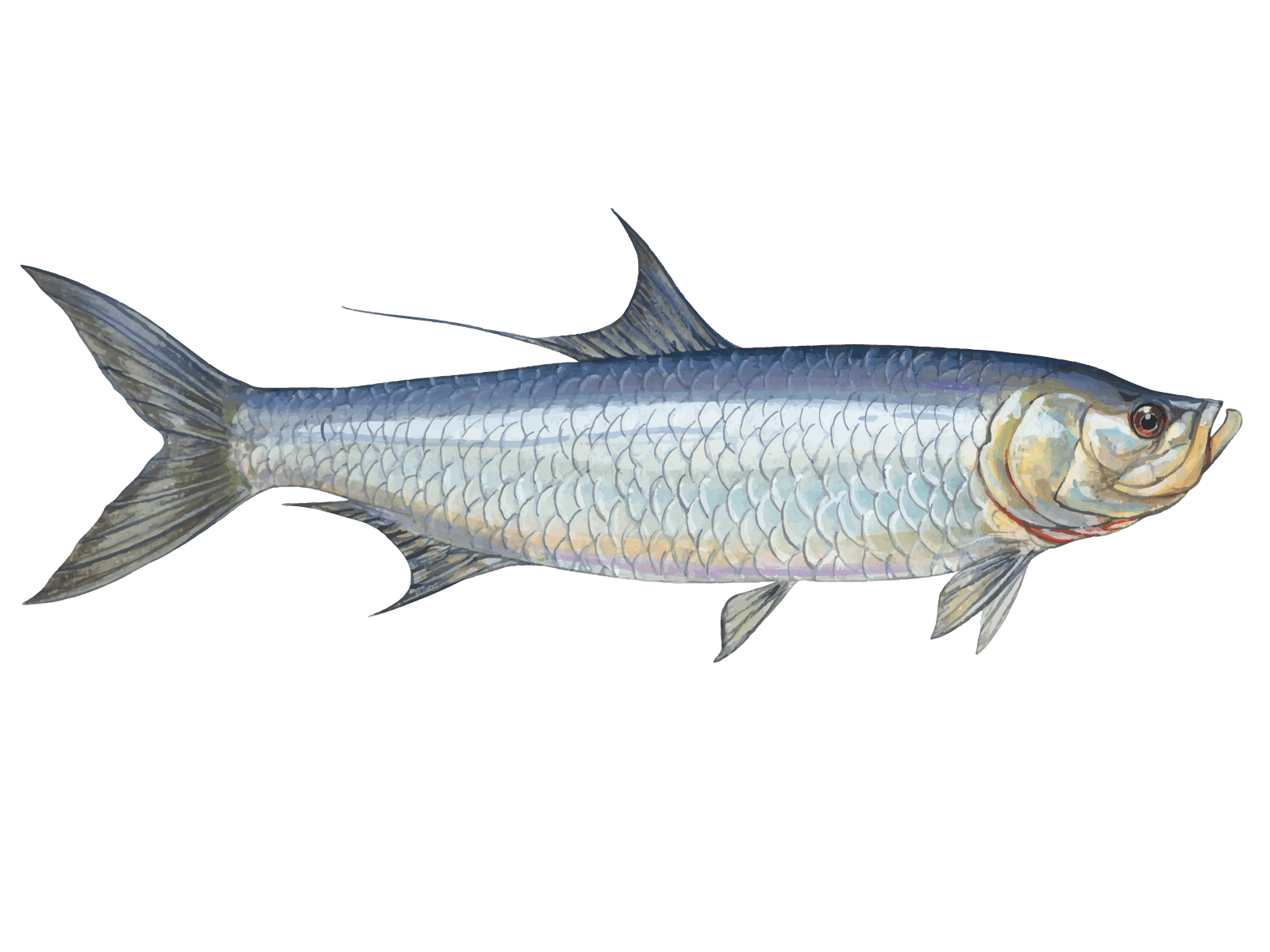
Tarpon: Known as the "silver king," hooking a tarpon is like tying into a freight train. These massive fish can top 100 pounds and are famous for their acrobatic leaps. We target them in the late summer and early fall when they're migrating through. Landing a tarpon is a bucket-list achievement for many anglers, and for good reason - it's an experience you'll never forget.
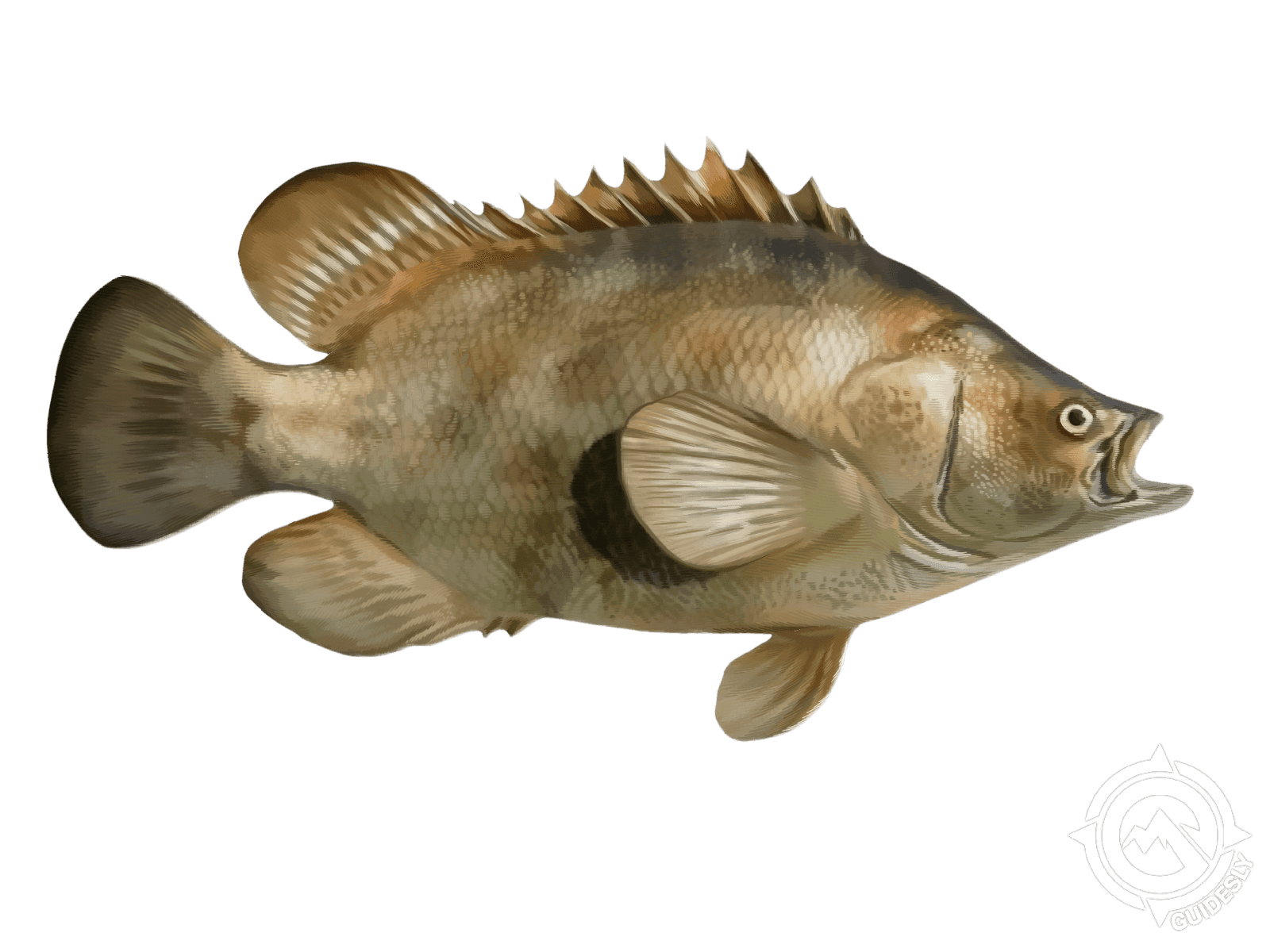
Tripletail: These odd-looking fish are a real treat to catch. They got their name from their rounded fins that make them look like they have three tails. Tripletail love to float near the surface, often mimicking floating debris. They're most common in the warmer months and put up a surprisingly strong fight for their size. Plus, they're delicious if you're looking to bring home dinner.
Time to Book Your Spot
Look, if you're itching to feel the tug of a big redfish or the excitement of a speckled trout smashing your lure, this is the trip for you. With Captain Drew at the helm, you're not just going fishing - you're getting an insider's tour of Saint Simons' best inshore spots. Whether you're looking to sharpen your skills or catch your first fish ever, we've got you covered. The fish are biting, the boat's ready, and Captain Drew's raring to go. Don't let this chance slip away - book your spot now and get ready for a day on the water you'll be talking about for years to come. Trust me, the only thing you'll regret is not doing it sooner. Let's go fishing!
Customer Reviews
Fish On with Drew

Samuel Fipps
November 4, 2024
Reel Success Awaits
Great charter! I highly recommend Capt. Drew! He put us on the fish! Fantastic fishing guide service!
Clint Steerman
October 28, 2024
Learn more about the species
Redfish
Redfish, or Red Drum, are a staple of our inshore fishing scene. These copper-colored bruisers typically range from 20 to 30 inches, but bulls over 40 inches aren't uncommon. You'll find them tailing in shallow flats, around oyster bars, and in the backs of creeks. Fall is prime time when they school up, but you can catch them year-round. Anglers love targeting reds for their strong fights and excellent table fare. To hook one, try sight-fishing with live bait or artificial lures in 1 to 4 feet of water. Look for their distinctive tail waving above the surface as they root for crabs and shrimp. A local trick: on calm days, cruise the flats and watch for push water - that's often a dead giveaway for feeding reds. Once you spot them, make a quiet approach and get ready for an exciting battle.
Sea Trout
Sea Trout, also called Speckled Trout, are a favorite among inshore anglers. These silvery fish with distinctive spots usually run 14 to 24 inches, though some monsters can hit 30 inches. You'll find them in grass flats, oyster bars, and around dock lights at night. Spring and fall are prime seasons, but you can catch them year-round. Sea Trout are known for their aggressive strikes and tasty, mild-flavored meat. They're fun to catch on light tackle and put up a good fight for their size. To target them, try using soft plastics or live shrimp under a popping cork. A local tip: when you find one trout, there's usually more nearby - they often school up. Listen for their characteristic "pop" sound as they feed on the surface, especially early morning or late evening. That's your cue to cast nearby and get ready for some action.
Southern Flounder
Southern Flounder are masters of camouflage, blending in with sandy or muddy bottoms. They typically range from 15 to 18 inches long, though some can reach up to 33 inches. You'll find them in shallow coastal waters, bays, and estuaries. Fall is prime time for catching these flatfish as they move to deeper waters to spawn. Anglers love targeting them for their delicious, flaky white meat. To land one, try drift fishing with live bait like mullet or shrimp. A local tip: look for them near structure like oyster beds or drop-offs. When you feel a bite, give the flounder a moment before setting the hook - they like to grab prey and reposition it before swallowing. Their fight might not be as acrobatic as other species, but the challenge of spotting and hooking these well-camouflaged fish makes for an exciting catch.
Tarpon
Tarpon, the "silver king," is a bucket-list fish for many anglers. These prehistoric giants can grow over 8 feet long and weigh up to 280 pounds, though 4-5 footers are more common around here. You'll find them rolling in shallow coastal waters, estuaries, and even up some rivers. Spring and summer are peak seasons when they migrate through our area. Tarpon are famous for their spectacular leaps and powerful runs, making them an thrilling catch on light tackle. They're not great eating, so we practice catch-and-release to keep populations healthy. For the best shot at hooking one, try live bait like mullet or crabs near passes and channels during incoming tides. A word of advice: when a tarpon jumps, drop your rod tip to give it slack - this helps keep the hook set and prevents it from throwing the lure.
Tripletail
Tripletail are odd-looking but delicious fish that usually run 15 to 25 inches long. You'll find these ambush predators floating near the surface around buoys, channel markers, and floating debris. Summer is prime time when they move inshore to spawn. Anglers prize tripletail for their firm, white meat and the challenge of sight-fishing for them. They're not the strongest fighters, but their unique behavior makes them fun to target. To catch one, cruise slowly along the shoreline or near structure, looking for what appears to be a floating leaf. That's often a tripletail in disguise. Once spotted, cast a live shrimp or small crab on a light leader near (but not on top of) the fish. A pro tip: approach quietly and make your first cast count - these fish spook easily if you miss on the initial try.
About the Carolina Skiff
%2F%2Fusers%2F2c37fb7f-56ac-4f68-8ccf-0d1d2aa6bbe5%2Fvehicle_picture%2F305202337_3176009155983338_8467899133179426207_n.jpg&w=1920&q=75)
Vehicle Guest Capacity: 2
Manufacturer Name: Suzuki engine
Maximum Cruising Speed: 15
Number of Engines: 1
Horsepower per Engine: 70

Drew is a great guy and always gets us on the fish. Highly recommended. It's always a blast fishing with Unreel Charters.