%2Ffit-in%2F250x250%2Fguide_websites%2F1020%2Fimages%2Funreelchartersga.png&w=1920&q=100)
/users/2c37fb7f-56ac-4f68-8ccf-0d1d2aa6bbe5/ratecard/344869951_954636149011416_2262998842875020357_n1.jpg)
%2F300x300%2Fusers%2F2c37fb7f-56ac-4f68-8ccf-0d1d2aa6bbe5%2Fratecard%2F344869951_954636149011416_2262998842875020357_n1.jpg&w=256&q=75)
%2F300x300%2Fusers%2F2c37fb7f-56ac-4f68-8ccf-0d1d2aa6bbe5%2Fimages%2Fbrunswick-fishing-adventures-2575.jpg&w=256&q=75)
%2F300x300%2Fusers%2F2c37fb7f-56ac-4f68-8ccf-0d1d2aa6bbe5%2Fimages%2Fanglers-reel-in-impressive-redfish-2684.jpg&w=256&q=75)
%2F300x300%2Fusers%2F2c37fb7f-56ac-4f68-8ccf-0d1d2aa6bbe5%2Fimages%2Fblue-runner-fish-brunswick-2731.jpg&w=256&q=75)
%2F300x300%2Fusers%2F2c37fb7f-56ac-4f68-8ccf-0d1d2aa6bbe5%2Fimages%2Ffishing-triumph-brunswick-2682.jpg&w=256&q=75)
%2F300x300%2Fusers%2F2c37fb7f-56ac-4f68-8ccf-0d1d2aa6bbe5%2Fimages%2Fredfish-catch-georgia-2704.jpg&w=256&q=75)
%2F300x300%2Fusers%2F2c37fb7f-56ac-4f68-8ccf-0d1d2aa6bbe5%2Fimages%2Fredfish-brunswick-georgia-2682.jpg&w=256&q=75)
%2F300x300%2Fusers%2F2c37fb7f-56ac-4f68-8ccf-0d1d2aa6bbe5%2Fimages%2Fredfish-georgia-angler-2633.jpg&w=256&q=75)
%2F300x300%2Fusers%2F2c37fb7f-56ac-4f68-8ccf-0d1d2aa6bbe5%2Fimages%2Ftripletail-catch-georgia-2759.jpg&w=256&q=75)
%2F300x300%2Fusers%2F2c37fb7f-56ac-4f68-8ccf-0d1d2aa6bbe5%2Fimages%2Fanglers-great-fishing-trip-ga-2585.jpg&w=256&q=75)
%2F300x300%2Fusers%2F2c37fb7f-56ac-4f68-8ccf-0d1d2aa6bbe5%2Fimages%2Ffishing-adventure-brunswick-2589.jpg&w=256&q=75)
Expert St. Simons Inshore Fishing with Unreel GA
 St Simons Island
What you will be catching:
 Redfish
 Sea Trout
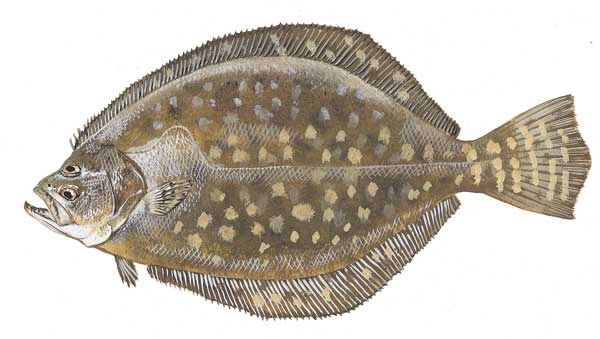 Southern Flounder
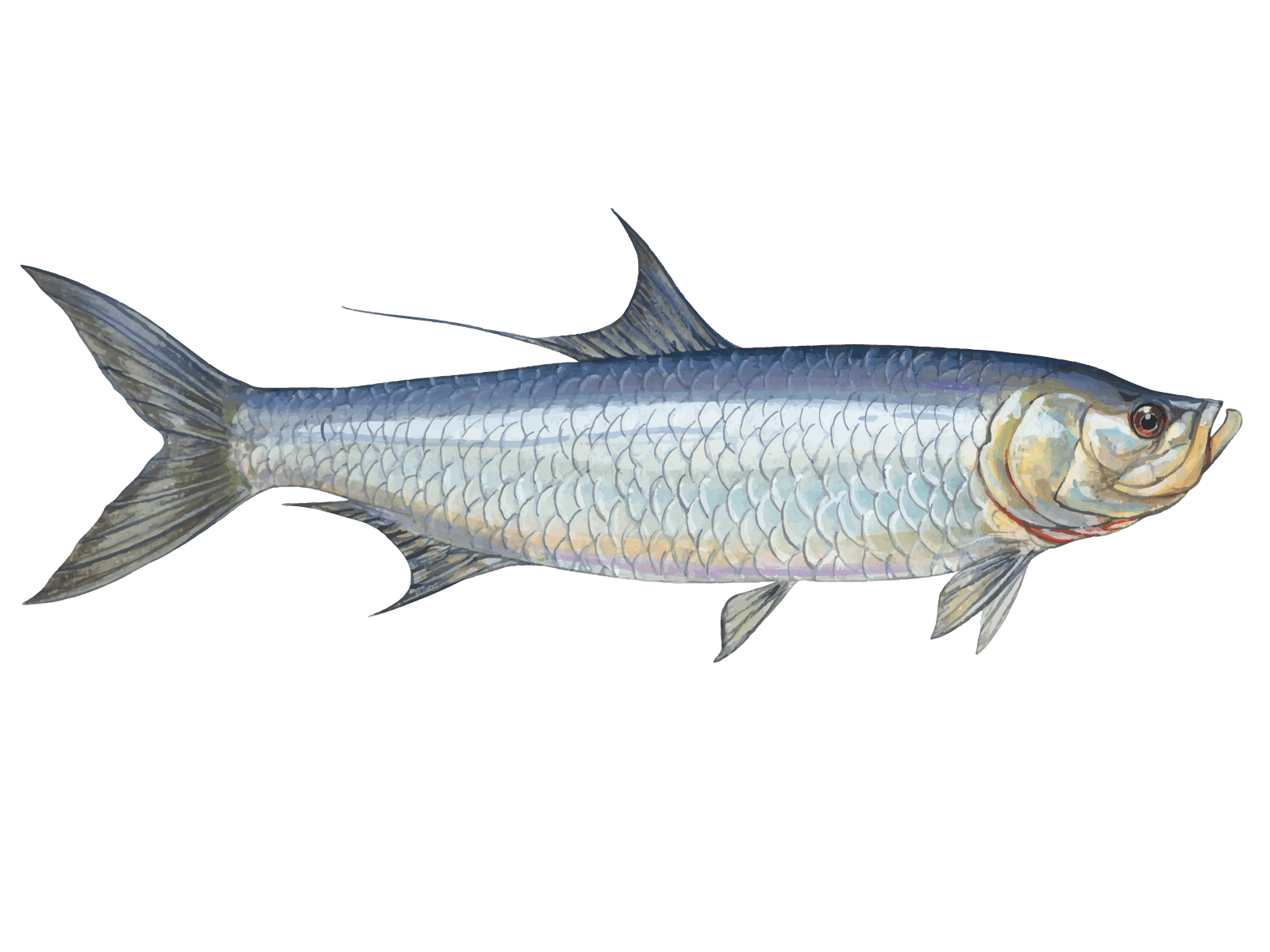
 Tarpon
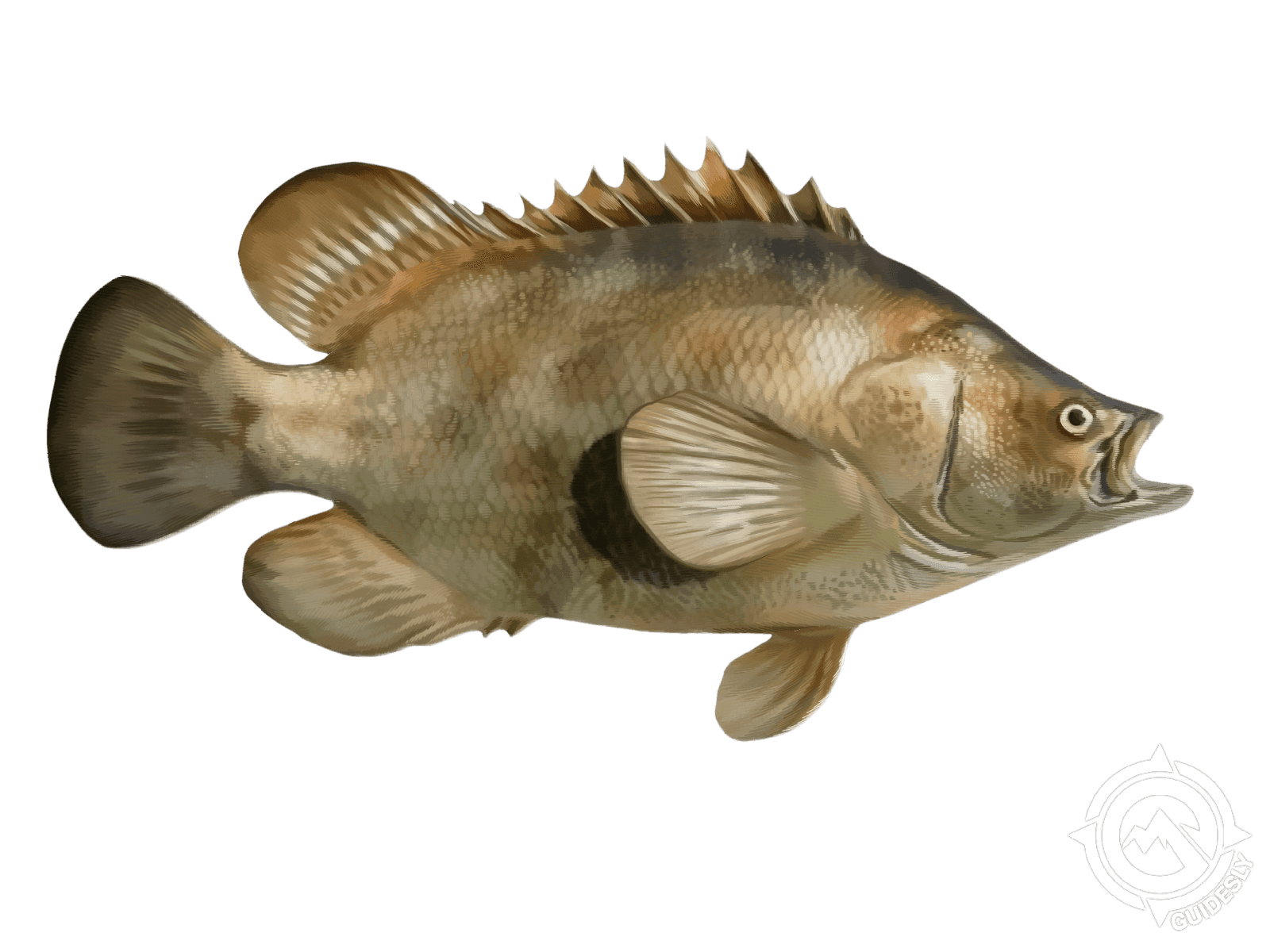
 Tripletail
- Half-day charter targeting Redfish, Sea Trout, and Flounder
- Expert Captain Drew Jones provides live bait and technique guidance
- All fishing gear included for immediate productive angling experience
Trip Pricing and Availabilities:
Seasoned Angler's Dream: St. Simons Inshore Fishing
Hey there, fellow fishing enthusiasts! If you're looking to up your game and chase some serious inshore action, you've just stumbled upon the golden ticket. We're talking about a half-day trip that'll have you wetting lines in the rich waters around St. Simons Island, Georgia. This ain't no beginner's rodeo – it's a targeted assault on some of the most sought-after gamefish in the Southeast. We're going after redfish that'll make your drag sing, sea trout that'll test your finesse, and if we're lucky, maybe even tangle with a tarpon that'll have you questioning your life choices (in the best way possible).
What's the Deal?
Picture this: You're out on the water as the sun's coming up, the marsh grass is glowing gold, and there's that unmistakable smell of saltwater in the air. Captain Drew Jones is at the helm, and he's not here to hold your hand – he's here to put you on fish. We're talking about navigating the maze-like marshes and intercoastal waterways that make St. Simons a top-notch fishing destination. Live bait's the name of the game here, and we've got it all rigged up and ready to go. This trip is all about refining your skills, learning the hotspots, and most importantly, putting some serious bend in those rods.
Fishing the Flats
Alright, let's break it down. We're not just drifting around hoping for a bite. This is precision fishing at its finest. We'll be sight-casting to tailing reds in skinny water, working grass lines for trout, and maybe even flipping docks for those sneaky sheepshead. The beauty of inshore fishing here is the variety – one minute you're working a topwater for explosive strikes, the next you're feeling for that subtle tick of a flounder take. Captain Drew's got all the gear you need, from light tackle spinning setups to fly rods if that's your jam. It's hands-on, it's technical, and it's exactly what you've been looking for to take your fishing to the next level.
Why Anglers Can't Get Enough
Look, there's a reason why seasoned anglers keep coming back to St. Simons. It's not just about the fish – it's about the whole package. The way the light hits the water as you're poling along a flat. The sudden eruption of bait as a predator moves in. The satisfaction of perfectly placing a cast right where that redfish is about to turn. It's addictive, plain and simple. And with a guide like Captain Drew, who knows these waters like the back of his hand, you're not just fishing – you're getting a masterclass in inshore angling.
The Usual Suspects
Let's talk targets. Redfish are the crown jewels of these waters. These copper-colored bruisers can range from slot-sized rats to over-slot giants that'll have you grunting as you try to turn their heads. They love to cruise the flats and hang around oyster bars, and when they're tailing, it's a sight that'll get your heart racing every single time.
Sea trout are the finesse game here. These spotted assassins are ambush predators, and they love to hang out around grass lines and drop-offs. There's nothing quite like the subtle 'tick' of a trout strike, followed by head shakes that'll make you think you've hooked something three times its size.
Southern flounder are the ninjas of the inshore world. These flatfish are masters of camouflage, blending in perfectly with the sandy bottom. They might not be the hardest fighters, but the challenge of spotting them and getting them to bite is a thrill in itself. Plus, they're absolutely delicious if you're into keeping a few for the table.
Now, if you're lucky enough to be here during tarpon season, hold onto your hats. These silver kings are the stuff of angling legend. Watching a hundred-pound tarpon clear the water by six feet after you've hooked up is a memory that'll stick with you for life. They're here in the warmer months, and targeting them is a whole different ballgame – heavy tackle, big baits, and a whole lot of patience.
Last but not least, we've got the tripletail. These oddball fish look like something out of a Dr. Seuss book, but don't let their appearance fool you. They're crafty, hard-fighting, and a blast to catch. You'll often find them floating near the surface, mimicking debris, and a well-placed cast can result in an explosive take.
Time to Get Your Lines Wet
Listen, if you're still reading this, you know you want to get out there. This isn't just another fishing trip – it's a chance to hone your skills, learn from a pro, and tangle with some serious inshore game fish. Whether you're looking to nail down that perfect redfish presentation or want to cross a tarpon off your bucket list, this is the trip that can make it happen. The tides are right, the fish are biting, and Captain Drew's ready to put you on them. Don't let another season slip by – book your spot now and get ready for some of the best inshore fishing the Southeast has to offer. Trust me, your only regret will be not doing it sooner.
Learn more about the species
Redfish
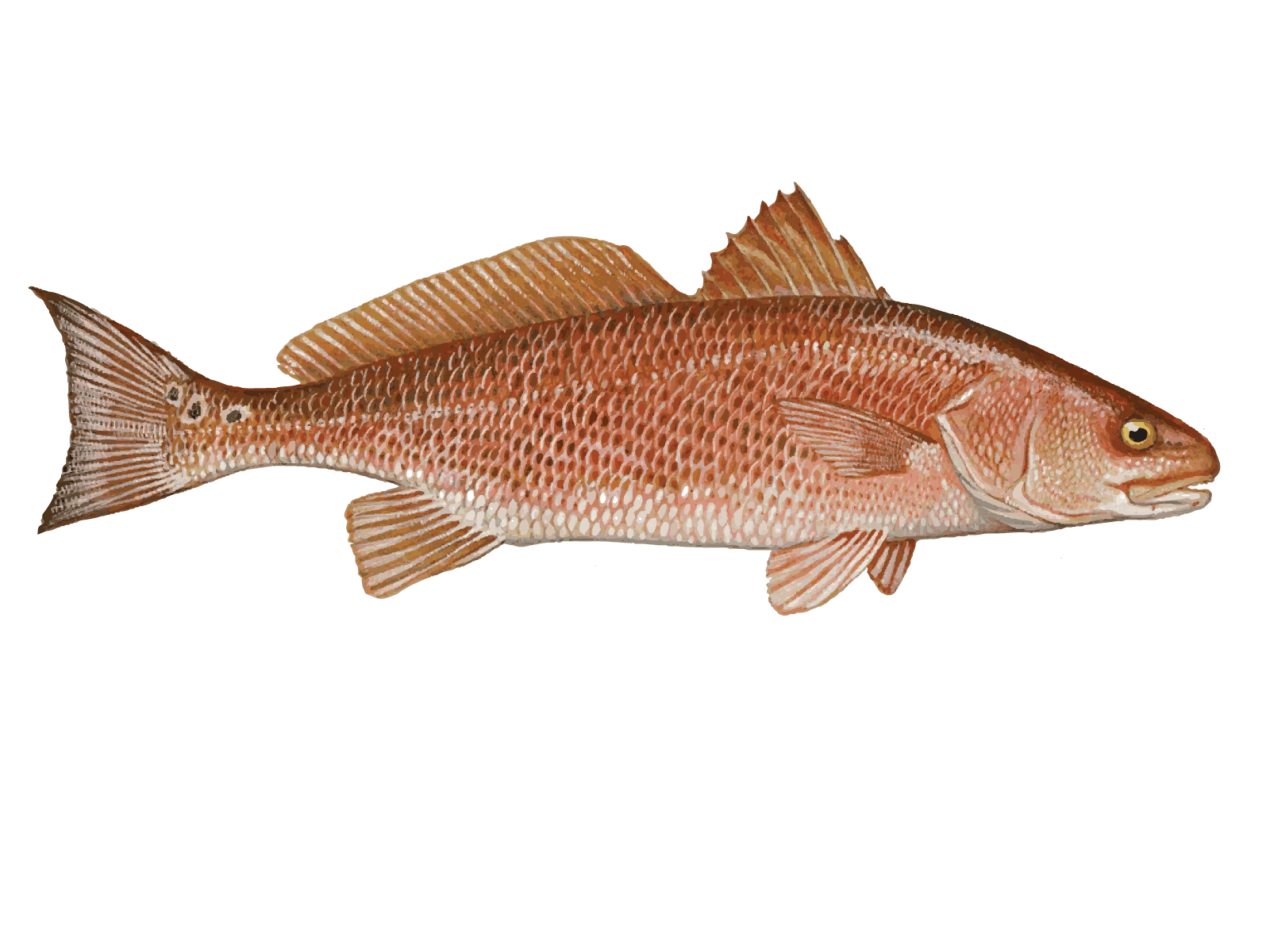
Redfish, also called Red Drum, are the bulldogs of the flats. These copper-colored brutes with a distinctive tail spot can range from 20-inch "rats" to 40-inch "bulls." They cruise our shallow marshes and oyster bars year-round, often tailing in water so shallow their backs are exposed. Redfish are known for powerful runs and their ability to strip line from a reel. Fall is prime time as they school up to spawn. Anglers prize them for both their fight and their sweet, white flesh. To hook up, try sight-casting to tailing fish with a gold spoon or scented soft plastic. When the water's murky, fish live or cut bait on the bottom. Local tip: On low tides, look for "nervous water" – subtle ripples that betray a cruising red even when you can't see the fish itself.
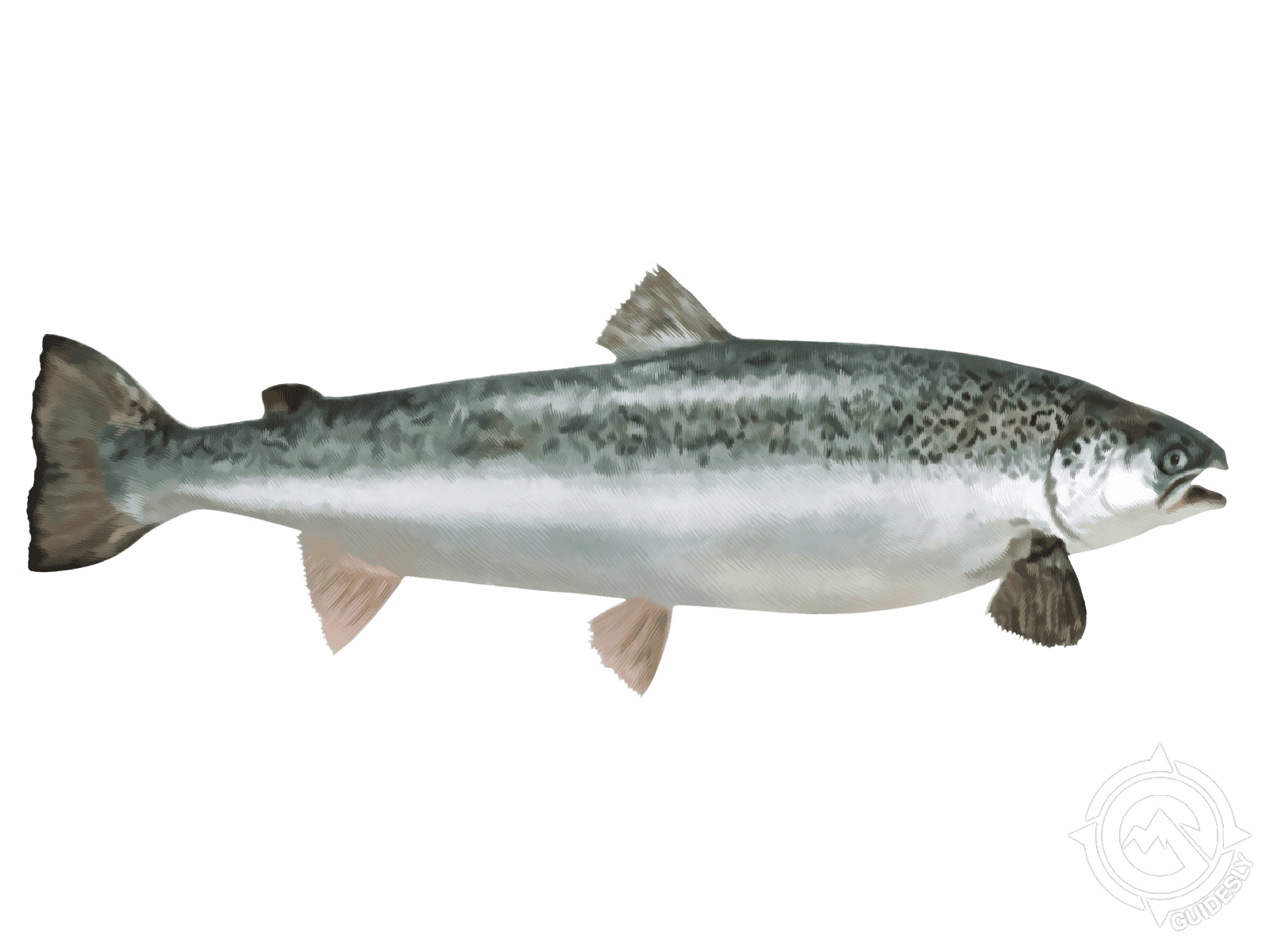
Sea Trout
Sea Trout, or Speckled Trout, are a staple of inshore fishing around St. Simons. These silver-sided fish with distinctive spots typically run 14-20 inches, though gators over 5 pounds aren't uncommon. They hang out in grass flats, oyster beds, and deeper holes in our marshes year-round. Sea Trout are ambush predators, so look for them around structure and current breaks. They're most active at dawn and dusk, especially on moving tides. Anglers love their aggressive strikes and delicate white meat. To catch them, try live shrimp under a popping cork or soft plastics on a jighead. Work your bait with subtle twitches to mimic injured prey. Local secret: On calm mornings, listen for their characteristic "pop" as they feed on the surface. It's a dead giveaway to a hot spot.
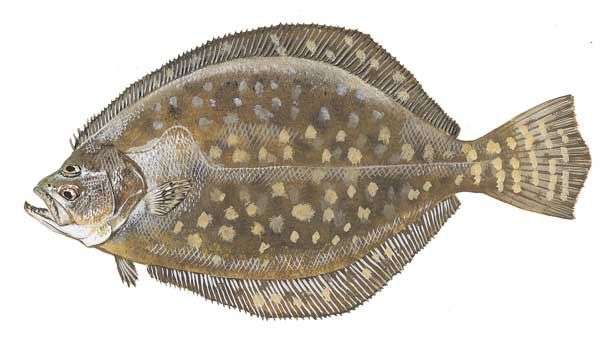
Southern Flounder
Southern Flounder are masters of camouflage, blending into sandy or muddy bottoms with their mottled brown coloration. These flatfish typically range from 15-18 inches and 1-5 pounds, though monsters over 20 pounds have been caught. You'll find them in shallow coastal waters, bays, and estuaries around St. Simons Island. They're ambush predators, lying in wait to snatch up passing baitfish, shrimp, or crabs. Flounder fishing heats up in fall as they move to deeper waters to spawn. Anglers love targeting them for their unique fighting style and excellent table fare. To hook one, try slow-trolling or drifting a live mullet or mud minnow along bottom structure. My local tip: When you feel that distinctive "thump," wait a few seconds before setting the hook. Flounder often grab prey sideways before repositioning it to swallow headfirst.
Tarpon
Tarpon, the "silver king," is a bucket-list fish for many anglers. These prehistoric giants can reach 8 feet and 280 pounds, though 100-pounders are more common around St. Simons. They're famous for their acrobatic leaps and powerful runs. Tarpon migrate through our waters from May to September, following bait schools in the intercoastal waterways and around the island's beaches. They prefer warm, shallow waters and often roll at the surface, gulping air. Sight-fishing for tarpon is an adrenaline rush – seeing a school of 100-pound fish turn towards your bait is unforgettable. They're catch-and-release only, prized for the fight rather than food. To entice a strike, try drifting live mullet or crabs in deeper channels or along grass flats. Pro tip: When a tarpon jumps, lower your rod tip to prevent them from throwing the hook. It's called "bowing to the king" for a reason!
Tripletail
Tripletail are the oddballs of inshore fishing, but they're gaining popularity for good reason. These deep-bodied fish typically run 2-15 pounds and have a unique ability to mimic floating debris. You'll find them lurking around channel markers, buoys, and floating seaweed from May through October. Tripletail are ambush predators with a surprisingly acrobatic fight for their bulky shape. They're also excellent table fare, with firm white meat similar to grouper. Sight-fishing for tripletail is a fun challenge – scan structure for what looks like a big floating leaf, then present a live shrimp or small crab on light tackle. Pro tip: Approach quietly and cast past the fish, then slowly work your bait into its strike zone. Tripletail have keen eyesight and spook easily, so stealth is key.
About the Carolina Skiff
%2F%2Fusers%2F2c37fb7f-56ac-4f68-8ccf-0d1d2aa6bbe5%2Fvehicle_picture%2F305202337_3176009155983338_8467899133179426207_n.jpg&w=1920&q=75)
Vehicle Guest Capacity: 2
Manufacturer Name: Suzuki engine
Maximum Cruising Speed: 15
Number of Engines: 1
Horsepower per Engine: 70